THE LIBERATION DEFENSE MODEL™
A community-powered approach that equips justice-impacted people, families, and communities with the knowledge, organization, and support needed to understand the criminal legal system, protect rights, strengthen defense, and build pathways toward restoration.

THE SIX PILLARS
FROM THE CREATOR: MARSHA KING
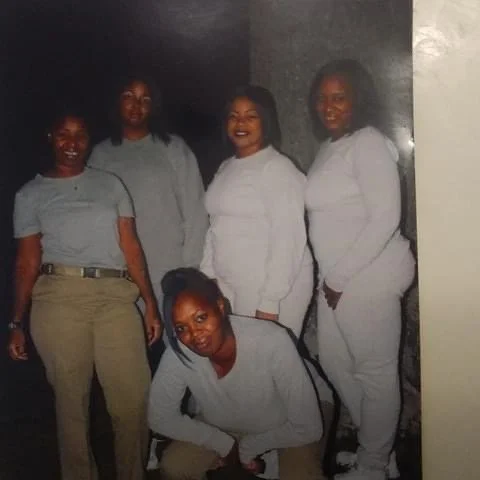
I created the Liberation Defense Model™ from lessons shaped by my own experience navigating the criminal legal system and serving time in federal prison. During my incarceration, I saw firsthand how the lack of meaningful programming can prevent genuine rehabilitation and leave people unprepared for life beyond prison.
I learned that having rights on paper is not enough. People also need knowledge, support, resources, and meaningful access to exercise those rights. I also witnessed how incarceration reaches far beyond one individual—affecting entire families and communities.
The Liberation Defense Model™ transforms lived experience into practical education, organized defense support, advocacy, reentry preparation, and justice-impacted leadership. It is designed to help people understand the system, strengthen their support networks, prepare for what comes next, and become leaders in the movement for lasting change.
WHAT IS THE LIBERATION DEFENSE MODEL?
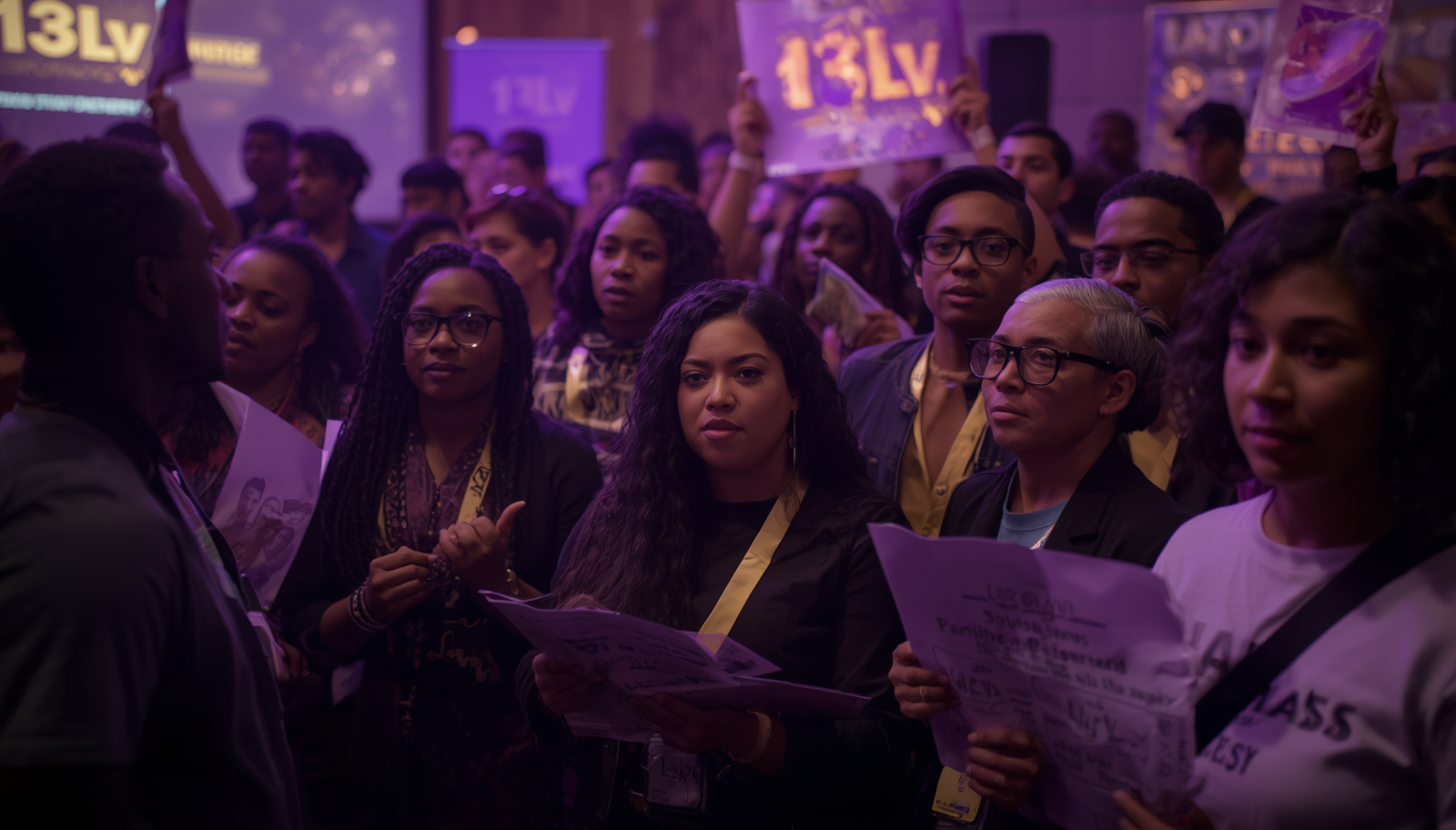
The Liberation Defense Model™ is a justice-impacted, community-centered framework created by 13th Liberation Village. It recognizes that a criminal case affects more than the accused person. Arrest, detention, conviction, incarceration, supervision, and collateral consequences reach families, neighborhoods, schools, workplaces, and future generations. The model combines lived experience, legal education, organized support, advocacy, and leadership across the full journey from investigation through reentry and civic restoration.

LIBERATION DEFENSE MODEL™ THEORY OF CHANGE
If justice-impacted people and their families receive:
• Clear, culturally responsive education about the criminal legal system
• Practical tools to organize documents, deadlines, evidence, and questions
• Preparation for communicating with attorneys, probation officers, courts, and agencies
• Consistent support from trusted, justice-impacted advocates
• Assistance with mitigation, incarceration advocacy, reentry, supervision, and civic restoration
• Connections to appropriate legal and community resources
Then participants will become more knowledgeable, organized, confident, and prepared to advocate for themselves and complete important next steps.
This should lead to:
• Better communication with attorneys and agencies
• More meaningful participation in the defense process
• Stronger mitigation and sentencing preparation
• Fewer missed deadlines and preventable barriers
• Better access to programs, services, and referrals
• Stronger family involvement
• Improved reentry and supervision preparedness
• Greater civic participation and community leadership
Over time, these outcomes can contribute to fairer legal processes, stronger families, greater stability after incarceration, and more power for justice-impacted communities.
LIBERATION DEFENSE™ JAILHOUSE LAWYER INITIATIVE
Knowledge Behind the Walls
The Liberation Defense™ Jailhouse Lawyer Initiative equips incarcerated legal researchers with legal education, research skills, procedural knowledge, and self-help tools that strengthen their ability to conduct independent legal research and serve as informed resources within incarcerated communities.
Through educational trainings, legal research instruction, toolkits, and general legal-system education, the Initiative recognizes the critical role incarcerated legal researchers have historically played in helping people understand and navigate the criminal legal system.
LEARN ABOUT THE INITIATIVE
www.13thliberationvillages.com/liberation-defense-jailhouse-lawyer-initiative