
LIBERATION
DEFEND
Liberation Defense brings families, justice-impacted individuals, advocates, and communities together to support people navigating the legal system through education, advocacy, accountability, and collective action.
Liberation defense Model
WHAT IS THE
The Liberation Defense Model™ is a justice impacted, community centered approach that helps individuals and families understand and navigate the criminal legal system. Created by Marsha King through her lived experience with federal prosecution, incarceration, reentry, and community advocacy, the model recognizes that a criminal case affects more than the person who is charged. It can affect children, parents, partners, employment, housing, education, health, and the stability of an entire community.
The model brings together education, organized family and community support, defense preparation, advocacy, restoration, and reentry planning. It teaches participants how the criminal process works, what questions to ask, how to communicate effectively with licensed counsel, how to organize information and supporting documents, and how to advocate without interfering with legal representation.
The Liberation Defense Model™ centers the leadership of people who have personally experienced incarceration and the criminal legal system. Lived experience does not replace the professional responsibilities of an attorney. Instead, it provides knowledge about the human, family, and community consequences that may be overlooked during a criminal case.
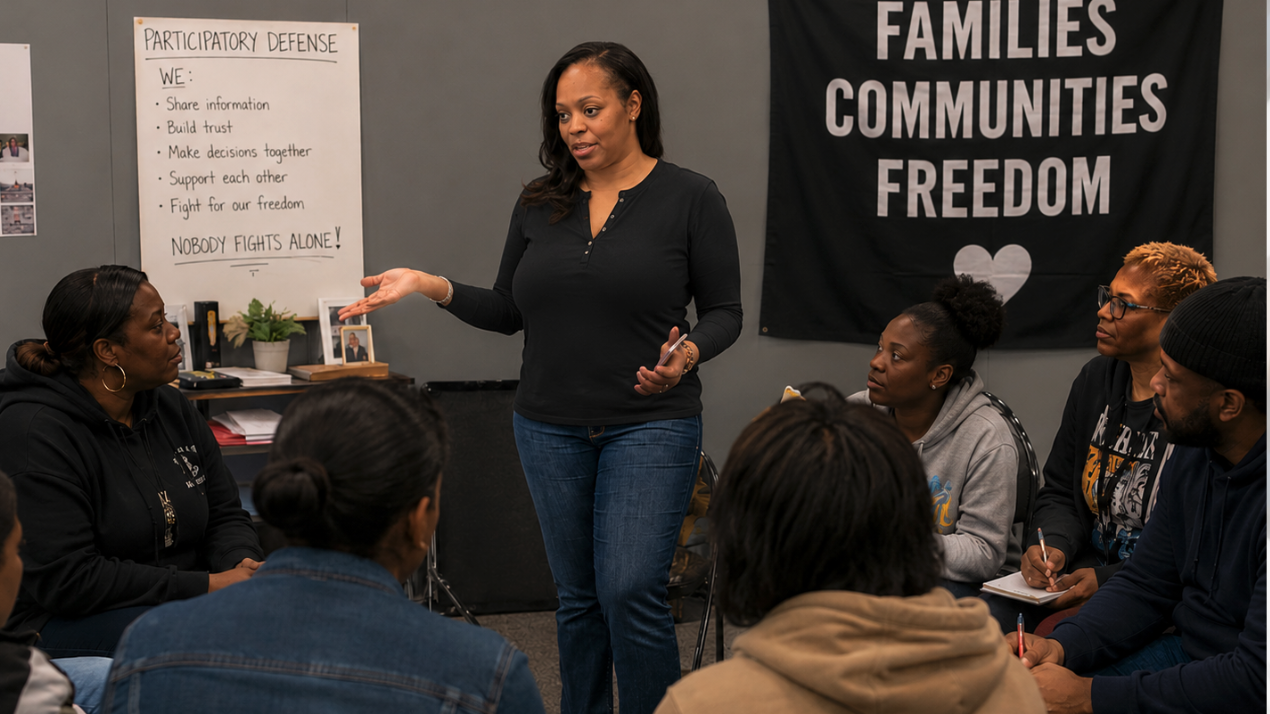
healing
circles
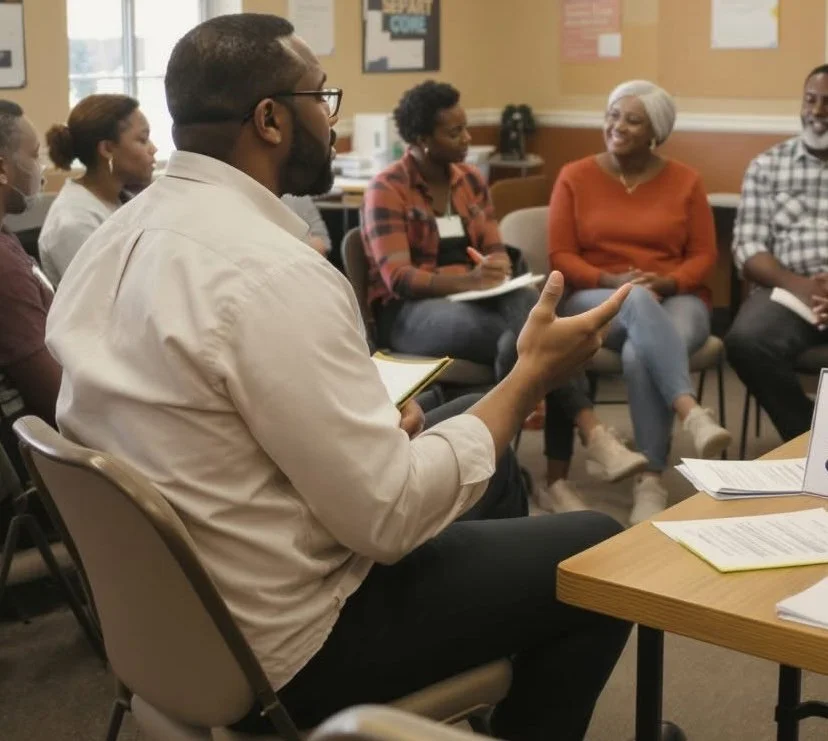
trauma-informed healing
Healing begins with being heard. Our circles provide safe spaces where participants can process trauma, rebuild trust, and strengthen emotional well-being.
community support
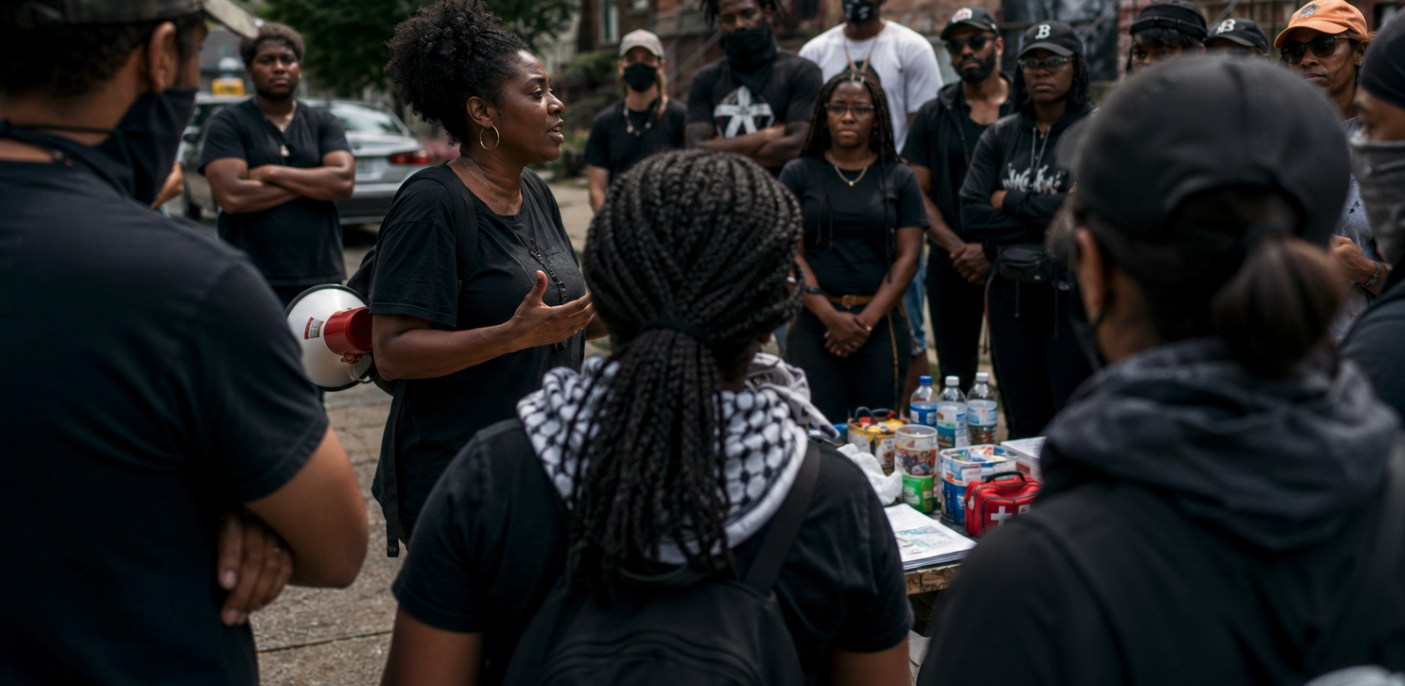
No one heals alone. Participants build meaningful relationships with peers who understand the challenges of incarceration, reentry, and family separation.
restorative growth
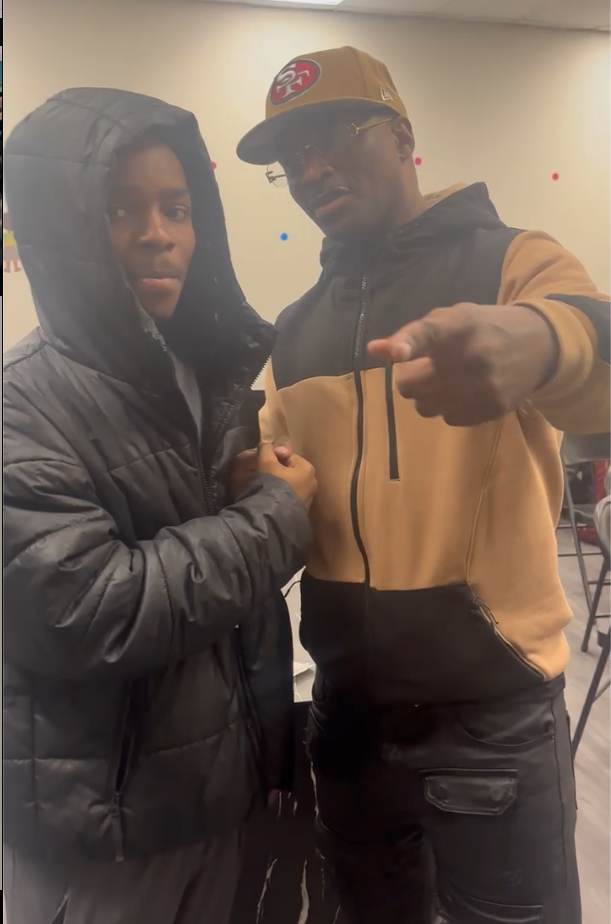
Healing Circles create opportunities for reflection, accountability, resilience, and personal transformation—laying the foundation for lasting change.
returning
home
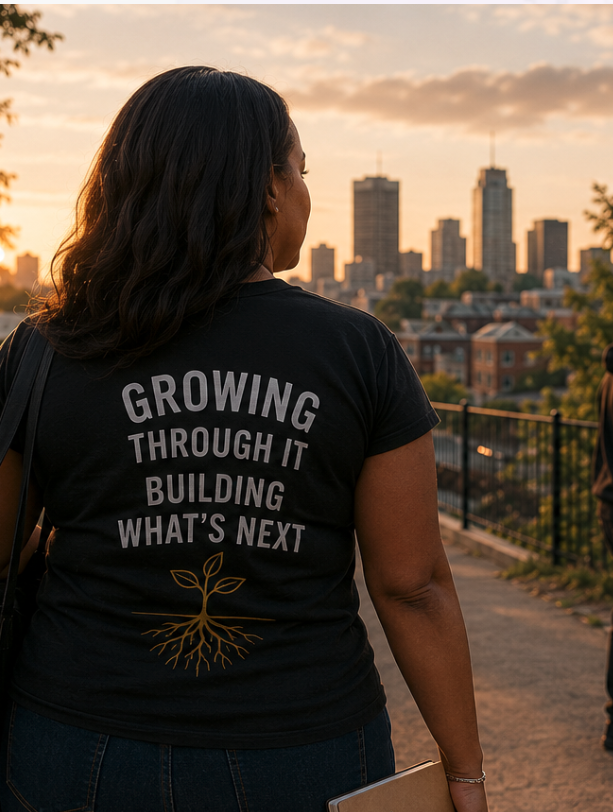
Too many people leave incarceration carrying barriers that extend far beyond their sentence. 13th Liberation Village is a tax-exempt 501(c)(3) charitable nonprofit focused on direct services, legal-system education, reentry support, healing-centered programs, and nonpartisan civic engagement. Its affiliated 501(c)(4) sister organization, Unlock Liberation Corporation, leads policy advocacy, grassroots lobbying, civic mobilization, and systems-change work.
COMMUNITY
RESTORES.
SYSTEMS ISOLATE.
-
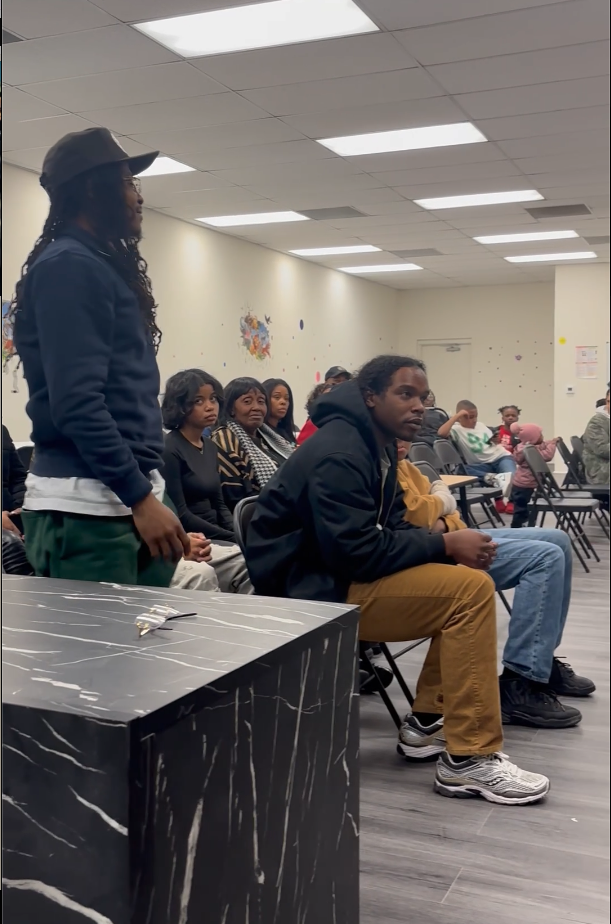
Reduce incarceration and improve legal outcomes through community-powered advocacy and comprehensive reentry support.
Services include:
Family legal education
Court advocacy
Mitigation packet development
Case management
Workforce development
Job placement assistance
Basic needs support
Trauma-informed counseling
Healing Circles
-
Support individuals seeking second chances through federal and state clemency assistance and post-conviction advocacy.
Support includes:
Federal clemency assistance
State clemency support
Supervised release termination
Post-conviction guidance
Advocacy throughout the application process
-
Restore civic participation by helping individuals reclaim their voice and fully engage in their communities.
Services include:
Voting rights education
Civic engagement
Community leadership
Rights restoration guidance
Voter registration assistance
-
13th Liberation Village (501(c)(3)) provides education, direct services, reentry support, community programs, and permissible nonpartisan civic and advocacy work.
Unlock Liberation (501(c)(4)) leads broader policy advocacy, legislative advocacy, community organizing, civic engagement, and systems-change work.
-
Help individuals remove barriers that prevent access to employment, housing, and opportunity.
Support includes:
Eligibility review
Record sealing guidance
Expungement assistance
Court navigation
Resource referrals
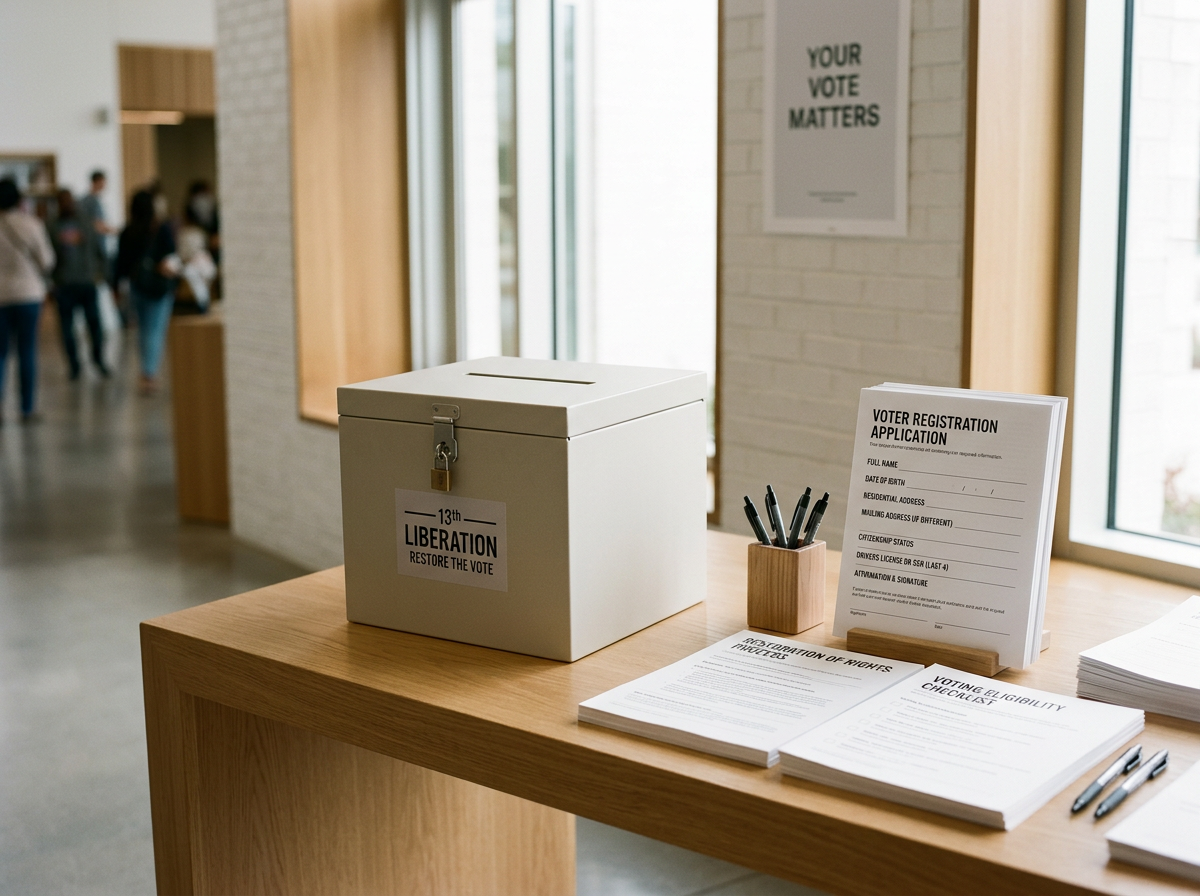
Your vote is your voice. For formerly incarcerated Virginians, voting is an opportunity to help shape the policies, leaders, and communities that impact reentry, public safety, employment, housing, and justice. Every election is a chance to ensure that your experiences are represented and that your voice is part of building a stronger, more inclusive Virginia. Don't let your past silence your future if you're eligible, make a plan to vote this November.
RESTORE THE VOTE
RESTORE THE VOTE: VIRGINIA 2026
WHAT'S ON THE NOVEMBER 3, 2026 BALLOT
QUESTION 1 — REPRODUCTIVE FREEDOM
Would protect decisions about prenatal care, childbirth, postpartum care, birth control, abortion, miscarriage management, and fertility care, with specified third-trimester limits and health exceptions.
QUESTION 2 — MARRIAGE EQUALITY
Would remove Virginia's constitutional ban on same-sex marriage, affirm that two adults may marry regardless of sex, gender, or race, and require equal legal treatment of valid marriages.
QUESTION 3 — VOTING RIGHTS
Would establish a fundamental right to vote and automatically restore political rights, including voting rights, when a person is released from incarceration for a felony conviction. It would also update the rule involving a person's capacity to understand the act of voting.
This is neutral ballot information, not an endorsement. Read the official wording at elections.virginia.gov.
HOW TO REGISTER TO VOTE IN VIRGINIA
1. Confirm that you meet Virginia's eligibility requirements. If you have a felony conviction, verify your current eligibility and rights-restoration status.
2. Register online through Virginia's Citizen Portal, submit a paper application by mail, or register in person at your local registrar, DMV, public library, or another approved agency.
3. Complete every required field, provide your Social Security number if you have one, and sign and date the application.
4. Check your voter record online or contact your local registrar to confirm that the application was processed.
The standard deadline for a general or primary election is 11 days before Election Day. Virginia also permits same-day registration through Election Day, with the voter casting a provisional ballot. Visit elections.virginia.gov/registration for current instructions.
FEDERAL FIREARM RIGHTS RESTORATION
On August 17, 2026, the U.S. Department of Justice announced a new process under the Trump administration for eligible individuals to apply for restoration of federal firearm rights. Relief is individualized not automatic or guaranteed. Applicants must show that they are not likely to endanger public safety and that relief would serve the public interest. Violent offenders and other high-risk applicants are generally presumed ineligible absent extraordinary circumstances. Federal relief does not override separate Virginia restrictions.
Program and application information: justice.gov/ffrr
This is general information, not legal advice. Contact 13th Liberation Village for help understanding the process and finding official resources.
Families Empowered
*
Rights Restored
*
Communities Strengthened
*
Families Empowered * Rights Restored * Communities Strengthened *
YOU DOn’T
have to
navigate this
alone.
Whether you’re seeking support, advocating for a loved one, interested in volunteering, or looking to partner with us, we’re here to help.
Reach out today to connect with someone who understands your journey.